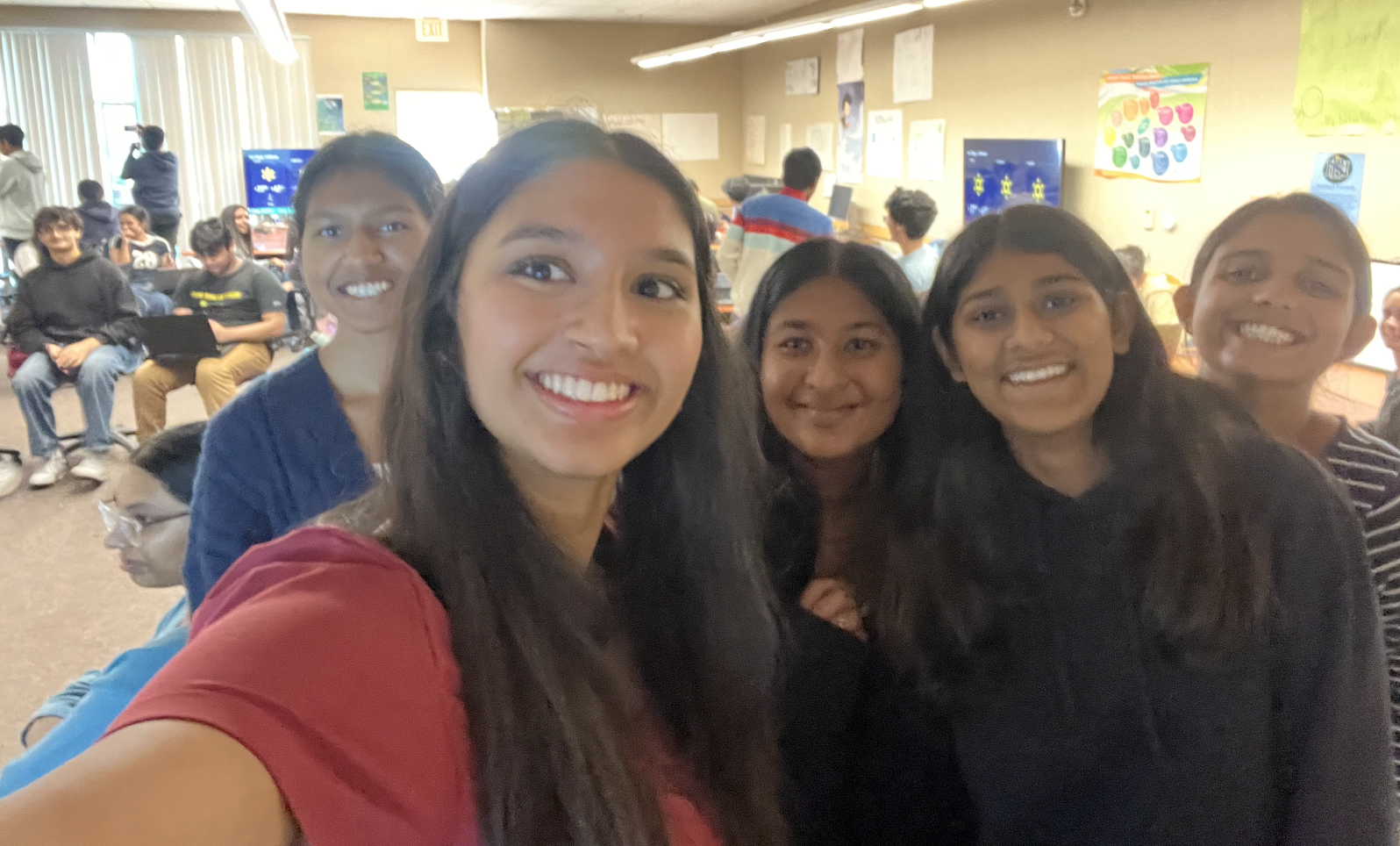
College Panel Takeaways
Hosting a Girls in CS Panel: Growth, Reflection, and Learning
Why We Organized This Panel
Through Girls in CS, we wanted to create an event that focused less on resumes and achievements and more on clarity, growth, and honest conversation. Many students are interested in computer science but feel unsure about what comes next or whether they truly belong in the field. We organized this panel to help reduce that uncertainty by hearing directly from former Del Norte High School students who recently navigated the same questions.
Rather than presenting computer science as a rigid or intimidating pathway, the goal was to show that exploration, change, and growth are all normal parts of the process.
How We Organized the Event
Planning the panel required us to think carefully about both structure and accessibility. The process highlighted several areas where we grew as organizers.
Selecting Panelists We invited former Del Norte students with a range of college experiences and interests within technology. Choosing panelists with different paths helped avoid the idea that there is only one “right” way to pursue computer science.
Improving Panel Structure To keep the conversation meaningful, we prepared guiding questions ahead of time. These questions helped the discussion stay focused while leaving room for honest stories and follow-up questions from students. Compared to past events, this structure led to smoother transitions and deeper discussion.
Strengthening Engagement and Facilitation We worked on moderating more intentionally by managing time, encouraging student participation, and creating space for open questions. This helped shift the panel from a lecture-style format to a more interactive conversation.
Key Takeaways from the Panel
Several themes stood out and reshaped how we think about computer science and student preparation:
There Is No Single Path in Computer Science Panelists shared that many of them changed directions, struggled early on, or discovered their interests later than expected. This challenged the idea that students need to have everything figured out before entering college.
Struggle Is Part of the Learning Process Hearing panelists openly discuss difficult classes and moments of self-doubt reinforced that struggle is not a sign of failure. Instead, it is a common and expected part of learning in technical fields.
Support Systems Make a Difference Panelists emphasized the importance of peers, mentors, and student organizations. This reinforced the value of Girls in CS as a space where students can ask questions, make mistakes, and grow together.
Preparation Is About Mindset, Not Just Skills While coding experience can help, panelists stressed that curiosity, persistence, and willingness to learn matter just as much. This reframed preparation as something students can continue developing over time.
What We Learned and How We Will Improve
Organizing this panel helped us identify areas for improvement as leaders. We learned the importance of clear communication, thoughtful question design, and active facilitation. In the future, we hope to allow even more time for student questions and small-group discussion to further increase engagement.
Conclusion
This panel represented a step forward in how we approach events in Girls in CS. By emphasizing reflection, openness, and shared learning, we created a space that encouraged students to rethink what it means to pursue computer science. Moving forward, we plan to continue building events that prioritize growth, community, and confidence over accomplishments alone.